
What is Psoriasis?
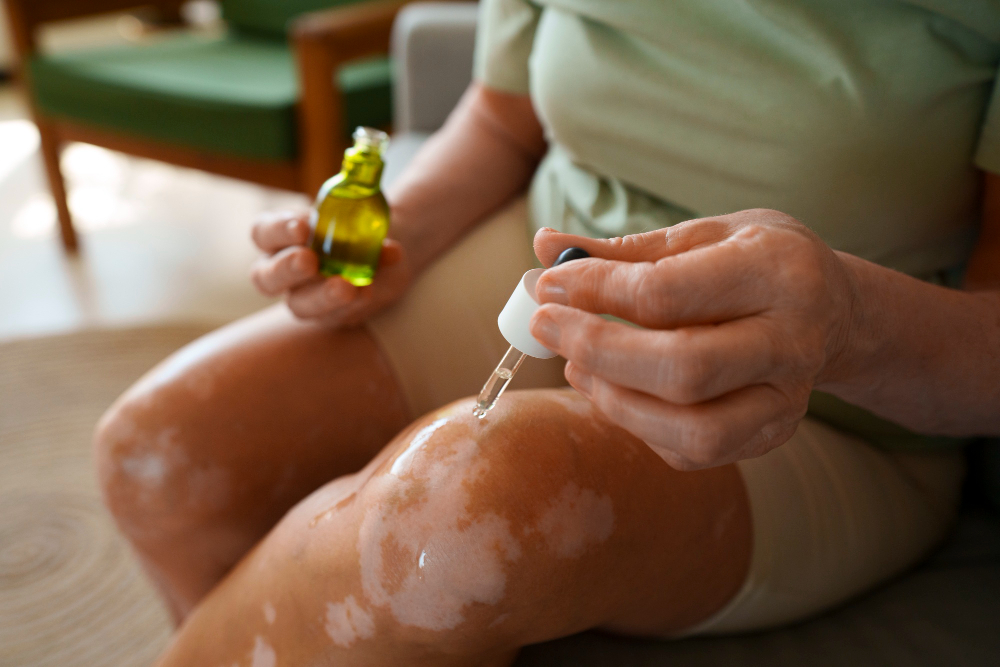
Psoriasis is a long-lasting skin condition. It causes red, scaly patches on the skin. These patches can be itchy or sore. Often, psoriasis appears on the elbows, knees, scalp, or lower back. However, it can show up anywhere on the body. Many people look for natural remedies for psoriasis, including homeopathy for psoriasis, to help manage their symptoms.
Common Symptoms of Psoriasis
Psoriasis symptoms can vary from person to person. Still, some signs are more common. For example, you may notice:
Sometimes, symptoms get worse during certain times, such as winter or after stress. But, with the right care, flare-ups can be managed.
Causes and Risk Factors
Psoriasis is not contagious. Instead, it happens when the immune system causes skin cells to grow too quickly. As a result, these extra cells build up and form patches. Although the exact cause is not clear, several factors may increase your risk:
According to the World Health Organization (WHO), genetics and environment both play a role in psoriasis.
How Homeopathy Approaches Psoriasis
Homeopathy for psoriasis takes a gentle, natural approach. Homeopathic treatment for skin conditions looks at the whole person, not just the skin. Therefore, a homeopath will ask about your symptoms, lifestyle, and emotions. Then, they choose a remedy that matches your unique needs. Many people choose homeopathy because it aims to support the body’s own healing process.
Common Homeopathic Remedies for Psoriasis
Several homeopathic remedies may help with psoriasis. However, it is important to remember that these should be prescribed by a qualified practitioner. Some commonly used remedies include:
Even though these remedies are popular, only a trained homeopath can choose the right one for you. Self-treatment is not advised.
Benefits and Limitations of Homeopathy for Psoriasis
Many people seek homeopathy for psoriasis because it uses natural substances. Some benefits include:
However, there are also some limitations. For instance, scientific studies on homeopathic treatment for skin conditions are limited. The Centers for Disease Control and Prevention (CDC) notes that homeopathy should not replace medical care for severe cases. Always talk to your doctor before starting any new treatment.
Lifestyle and Self-Care Tips
Along with homeopathic remedies, simple lifestyle changes can help manage psoriasis. For example:
Because triggers can differ, it helps to track what makes your symptoms worse. This way, you can avoid them in the future.
Prevention and When to Seek Medical Advice
While you cannot always prevent psoriasis, you can lower your risk of flare-ups. For example, take care of your skin, manage stress, and avoid known triggers. But, if your symptoms get worse or do not improve, seek medical advice. Sometimes, psoriasis can lead to joint pain or infection. In these cases, quick treatment is important.
In summary, homeopathy for psoriasis may offer gentle support. However, always consult a qualified homeopathic practitioner or dermatologist for personalized advice on managing psoriasis.